
Acne is one of the most common skin concerns, affecting people of all ages and skin types. From occasional breakouts to chronic conditions, managing acne requires understanding its root causes and selecting the right treatment approach. Hormonal changes, clogged pores, and lifestyle factors all play a role in how acne develops and persists. Learning about this helpful guide to acne types can give you clearer insight into what your skin is going through and how to treat it effectively. With the right knowledge and skincare routine, clearer, healthier skin is within reach.
Understanding the Causes of Acne
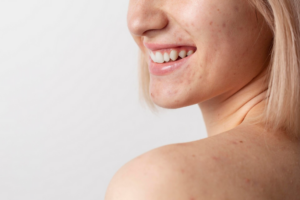 Acne forms when hair follicles become clogged with oil, dead skin cells, and bacteria. The skin produces sebum, an oily substance that keeps it moisturized, but excess production can trap debris in the pores. Hormonal changes—especially during puberty, menstruation, or stress—can increase oil production, making breakouts more likely. Genetics also plays a significant role; if your parents had acne, you’re more likely to experience it too. External factors such as pollution, certain medications, and even heavy makeup can worsen the condition. Understanding what triggers your breakouts is essential to find the right treatment.
Building a Consistent Skincare Routine
A good skincare routine is the foundation of acne management. Gentle cleansing twice a day removes dirt, oil, and impurities without irritating the skin. Avoid harsh scrubs or alcohol-based products because they can strip the skin and trigger oil production. Choose non-comedogenic moisturizers and sunscreens that won’t clog pores. Products featuring salicylic acid or benzoyl peroxide can help reduce breakouts by targeting bacteria and promoting skin turnover. It’s advisable to stick to a routine for at least several weeks before expecting results, as acne treatments take time to work effectively.
When to See a Dermatologist
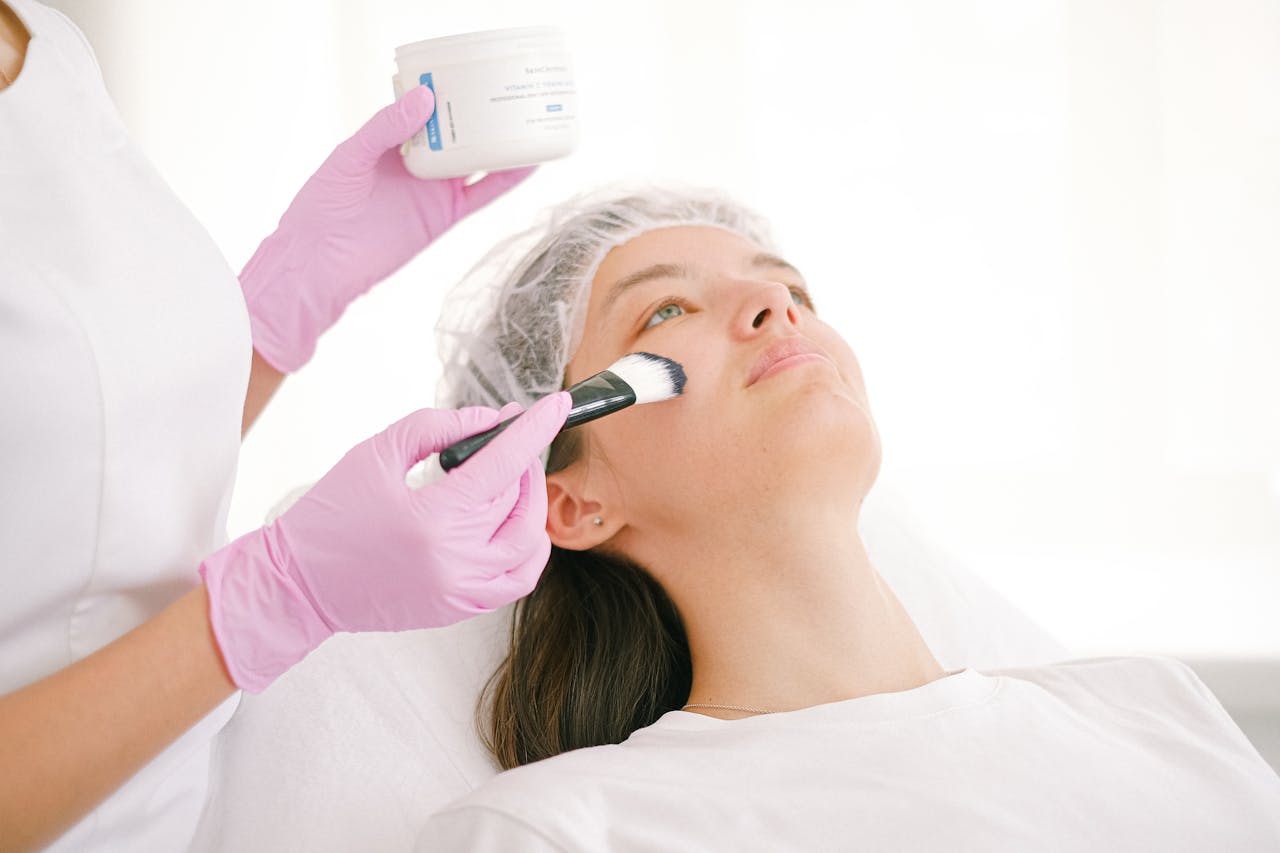
If over-the-counter products aren’t working or if your acne is painful, widespread, or scarring, it’s time to consult a dermatologist. They can prescribe stronger medications such as retinoids, antibiotics, or hormonal treatments like birth control pills. Early intervention by a professional can help prevent long-term damage and guide you toward the most effective treatment options for your specific skin type.
Dealing with acne requires patience, the right information, and a proactive approach to skincare and lifestyle. Understanding what causes acne, maintaining a consistent routine, and knowing when to seek professional help are all essential for managing breakouts and improving skin health. While results don’t happen overnight, small changes over time can make a big difference. With care, commitment, and the right guidance, achieving clearer, healthier skin is completely within reach.